-

How To Choose The Right Suction Filter Pore Size for Your Equipment
Views: 0 Author: Site Editor Publish Time: 2025-05-30 Origin: Site


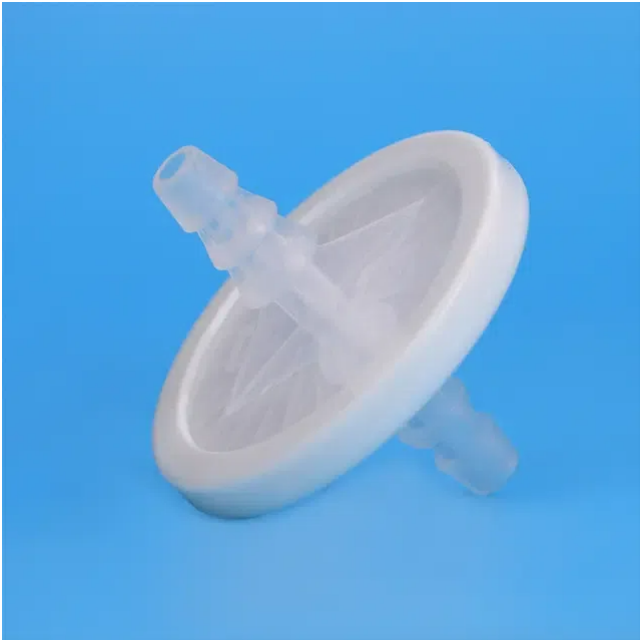
When it comes to suction filters, one size definitely does not fit all. Different medical devices and clinical situations require specific filtration levels to ensure both effective suction and optimal patient safety. Choosing the right pore size for your suction filter is crucial—not only does it affect the filtration efficiency, but it also impacts the performance and longevity of your equipment. Founded in 2005, Zhenfu Group is a multinational enterprise specializing in medical consumables, laboratory supplies, energy storage systems, and industrial filtration. With decades of experience and innovation, Zhenfu offers a wide range of suction filters designed to meet diverse clinical needs. This article explores how to select the right suction filter pore size tailored for your equipment and application, helping healthcare professionals make informed decisions.
Filtration Needs Vary by Device and Patient Condition
In the medical field, suction devices serve a wide variety of purposes—from routine fluid removal during minor surgeries to critical suctioning in intensive care units (ICUs). Each device type and clinical context demands different filtration standards to balance safety and performance.
For example, suctioning in an ICU, where patients might have infectious diseases, requires filters capable of blocking viruses and bacteria to prevent cross-contamination and protect healthcare workers. Meanwhile, in less critical environments, such as general wards or outpatient clinics, suction devices might prioritize maintaining airflow and suction power over ultra-fine filtration.
Patient conditions also influence filtration needs. In cases where patients are immunocompromised or have contagious infections, using filters with finer pore sizes is essential to avoid the spread of pathogens. Conversely, when suctioning thick or viscous fluids such as mucus or blood clots, filters with larger pores are needed to prevent clogging and maintain smooth operation.
Choosing an incorrect filter pore size can have significant consequences. Filters with pores too large may allow harmful microbes or debris to pass through, risking patient and operator safety as well as damaging sensitive equipment components. On the other hand, filters with pores too small might restrict airflow, reducing suction efficiency, increasing pressure resistance, and potentially causing the suction device to malfunction or work harder than necessary.
Therefore, understanding the unique filtration needs based on both the device and patient condition is a critical first step toward selecting the most suitable suction filter.
Understanding Pore Size Options
Suction filters come in various pore sizes, each engineered for different filtration requirements and clinical applications. The most common pore sizes available include 0.2µm, 0.45µm, 1µm, and 2µm.
0.2µm Filters: These are considered virus-grade filters and provide the highest level of filtration protection. Their microscopic pores can effectively trap viruses, bacteria, and other tiny contaminants. This makes 0.2µm filters ideal for ICU settings, infectious disease wards, and during procedures involving patients with contagious conditions. Although these filters offer maximum protection, they typically impose greater resistance to airflow, which may affect suction performance if the equipment is not designed to handle it.
0.45µm Filters: Offering a balanced filtration level, 0.45µm filters are frequently used for general medical suctioning where moderate protection is needed without severely compromising suction flow. They can block many bacterial and particulate contaminants while still allowing adequate airflow.
1µm Filters: These filters serve as a general-purpose solution suitable for routine suctioning tasks. They effectively filter out larger particles and debris, helping to protect the equipment and maintain suction strength.
2µm Filters: Designed primarily for high-viscosity suction scenarios, 2µm filters allow the passage of thicker fluids with less resistance. These filters are less restrictive to airflow, which is critical during procedures involving heavy or sticky secretions. While their filtration level is lower compared to smaller pore filters, they are indispensable for maintaining continuous suction without clogging.
By understanding the characteristics of each pore size, healthcare providers can make better decisions tailored to the clinical demands at hand.
Impact of Pore Size on Filtration Efficiency
The relationship between pore size and filtration efficiency is straightforward: smaller pores generally provide better filtration. A 0.2µm filter can capture most viruses, bacteria, and fine particulates, making it indispensable for protecting both patients and healthcare workers from cross-contamination. This is particularly important in sterile environments like operating rooms and ICUs.
However, this superior filtration comes at a cost. Smaller pores reduce airflow and increase pressure resistance, which can lower suction power and slow down fluid removal. In emergency situations or when rapid suctioning is required, this reduction in flow may impact clinical effectiveness.
On the other hand, larger pore sizes like 1µm or 2µm offer less filtration but significantly improve suction flow rates. This can be advantageous in non-critical environments or when suctioning thick, viscous materials that might clog finer filters. Larger pores reduce pressure resistance, helping to extend the lifespan of suction equipment by preventing undue stress on pumps and motors.
Thus, selecting the pore size involves carefully weighing the trade-off between safety and suction strength. For example, if your clinical priority is infection control, especially in infectious disease wards, a 0.2µm filter is non-negotiable. But for routine procedures or when suctioning viscous fluids, opting for a 1µm or 2µm filter might be more practical.
Choosing Based on Application Scenarios
Clinical applications vary widely, and suction filter selection must reflect these differences to ensure optimal outcomes:
ICU or Infectious Patient Care: In critical care units and wards treating infectious diseases, the use of 0.2µm suction filters is strongly recommended. These filters provide the highest level of viral and bacterial filtration, safeguarding healthcare workers and preventing pathogen spread. Their robust filtration protects sensitive suction equipment as well.
General Suctioning: For everyday medical suction needs, such as clearing airways or surgical fluid removal in non-critical settings, 0.45µm or 1µm filters provide a balanced approach. They protect the equipment from debris without overly restricting airflow, making them versatile choices for a broad range of procedures.
High-Viscosity Suction: Procedures involving the suction of thick mucus, blood clots, or other viscous fluids benefit from 2µm pore size filters. These filters minimize clogging risk and ensure smooth airflow, which maintains suction efficiency during prolonged use.
Healthcare facilities should evaluate their typical suction scenarios and patient conditions to determine which pore size best fits their operational needs.
Suction Flow Loss and Pressure Resistance
Pore size directly affects the suction filter’s pressure resistance. Smaller pores create greater airflow resistance, which can decrease the suction device’s efficiency and increase wear and tear. This pressure loss must be taken into account when pairing filters with suction machines.
Higher resistance means the suction pump must work harder to maintain the same flow rate, which can shorten equipment lifespan and increase maintenance costs. On the contrary, filters with larger pores reduce pressure resistance, allowing smoother airflow but at the expense of reduced filtration effectiveness.
Striking a balance between clinical needs and equipment capabilities is essential. Healthcare providers should consult their device specifications and clinical protocols to determine acceptable pressure resistance levels. This ensures the filter does not hinder device performance while still delivering adequate protection.
At Zhenfu Group, we design our suction filters to maximize compatibility and performance. Our range includes filters engineered to minimize pressure resistance without compromising filtration, tailored to various suction devices and clinical settings.
Zhenfu Suction Filters: Flexible Fit and Performance
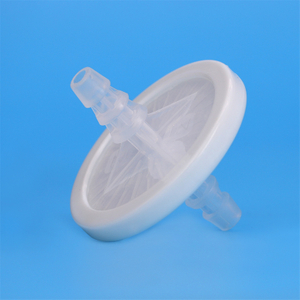
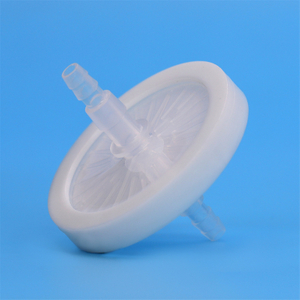
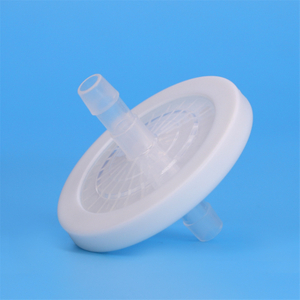
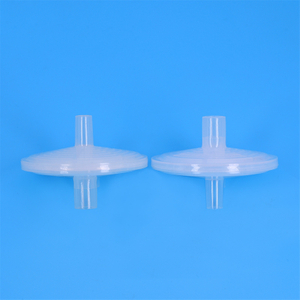
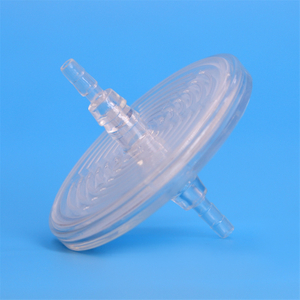
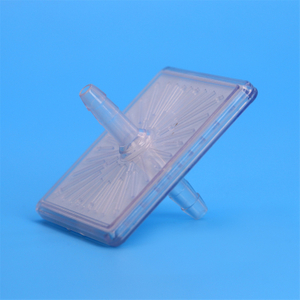
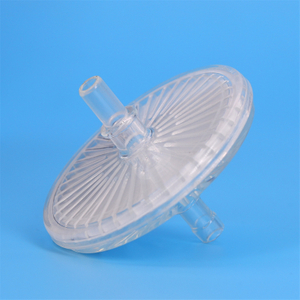
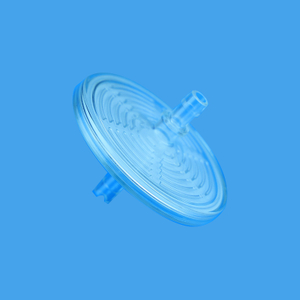
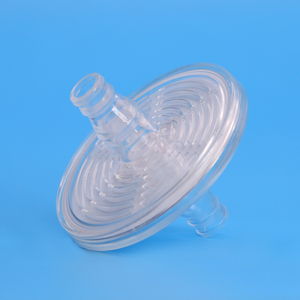
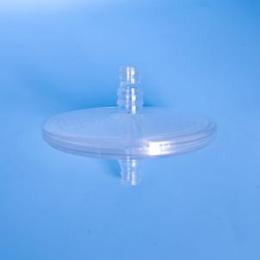
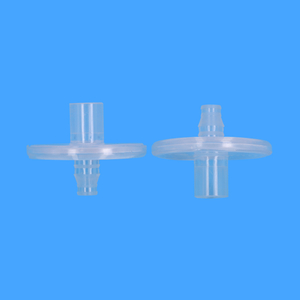
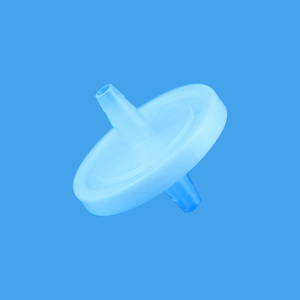
Zhenfu Group proudly offers a comprehensive line of suction filters with multiple pore size options, catering to the diverse demands of healthcare professionals worldwide. Our product portfolio includes virus-grade 0.2µm filters, versatile 0.45µm and 1µm filters, and high-flow 2µm filters for thick secretions.
Each filter features standard fittings to ensure broad compatibility with most medical suction equipment. This universal design simplifies installation and replacement, minimizing downtime and maintaining clinical workflow efficiency.
Moreover, Zhenfu provides expert technical guidance to help customers select the most suitable pore size based on specific medical applications and equipment models. Our commitment to quality and innovation guarantees that every suction filter delivers consistent performance, reliability, and safety.
Zhenfu’s rigorous quality control processes and advanced manufacturing technologies ensure that our suction filters meet international standards, providing healthcare providers with peace of mind and superior patient care outcomes.
Conclusion
Selecting the correct suction filter pore size is a vital step toward achieving optimal filtration and equipment performance. The right pore size enhances safety, improves suction efficiency, and helps prevent equipment damage or failure. Founded in 2005, Zhenfu Group remains committed to providing high-quality suction filters tailored to diverse clinical needs. Trust in Zhenfu’s expertise and extensive product range to ensure you always choose the best fit for your medical suction requirements.
If you want to learn more about our suction filter products or need personalized advice on the right pore size for your equipment, contact us today. Our professional team is ready to support you with technical information and help you make the best choice for your clinical needs.