-

Why Spirometry Filters Matter in Pulmonary Function Testing Clinical Settings
Views: 127 Author: Site Editor Publish Time: 2025-06-30 Origin: Site


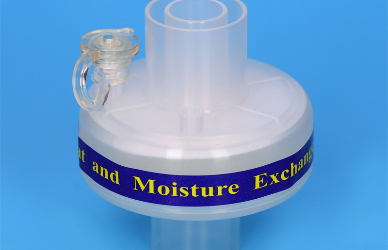
Pulmonary function testing (PFT) plays an indispensable role in diagnosing and managing respiratory diseases such as asthma, chronic obstructive pulmonary disease (COPD), interstitial lung diseases, and recently, post-viral lung impairments caused by infections like COVID-19. Among various PFT tools, spirometry remains the gold standard. It measures the volume and flow of air that a patient can inhale and exhale, helping doctors assess lung health, monitor disease progression, and guide treatment plans.
However, in today's healthcare environment, spirometry is not just about obtaining accurate clinical data. It has become critically important to consider infection control during testing. Spirometry inherently involves forceful exhalation, which generates aerosols that may carry infectious agents. This poses a significant risk to healthcare workers and other patients, especially during outbreaks of airborne diseases such as COVID-19, influenza, or tuberculosis.
How Aerosols Form During Spirometry Testing
During a spirometry test, the patient is asked to take a deep breath and exhale forcefully into a mouthpiece connected to the spirometer. This forced exhalation generates a rapid airflow with high velocity, creating aerosols—tiny droplets suspended in the air. Unlike large respiratory droplets, aerosols can remain airborne for extended periods and travel considerable distances in poorly ventilated spaces.
Aerosols can carry a variety of microorganisms, including bacteria, viruses, and fungi, all potential sources of infection. When a patient has an infectious respiratory disease, these pathogens may be expelled with the breath. Without proper filtration, the spirometry device’s internal components and surrounding environment can become contaminated, leading to cross-infection risks for healthcare workers and other patients who use the same equipment.
Cross-contamination is especially dangerous in hospital environments where patients often have weakened immune systems. Therefore, preventing aerosol transmission during spirometry is crucial for maintaining a safe clinical environment.

Filtration Technology Overview: HEPA, Electrostatic, and Pleated Media
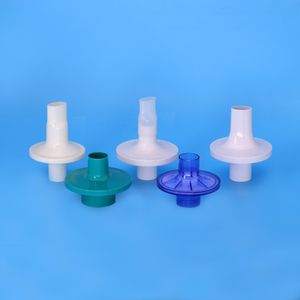
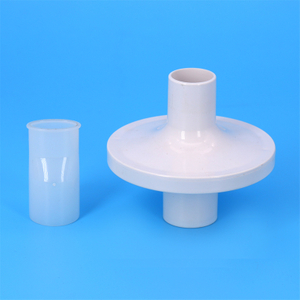
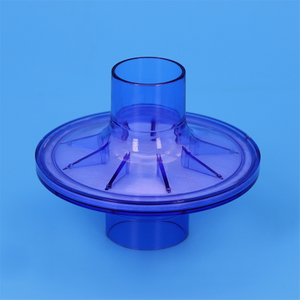
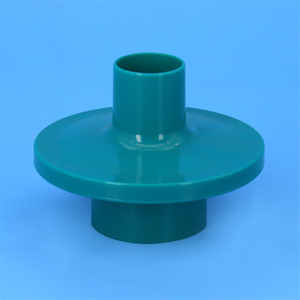
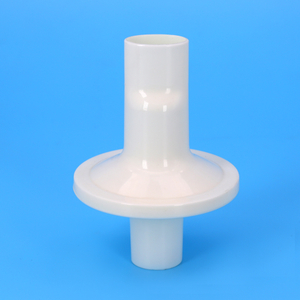
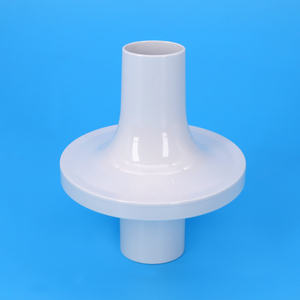
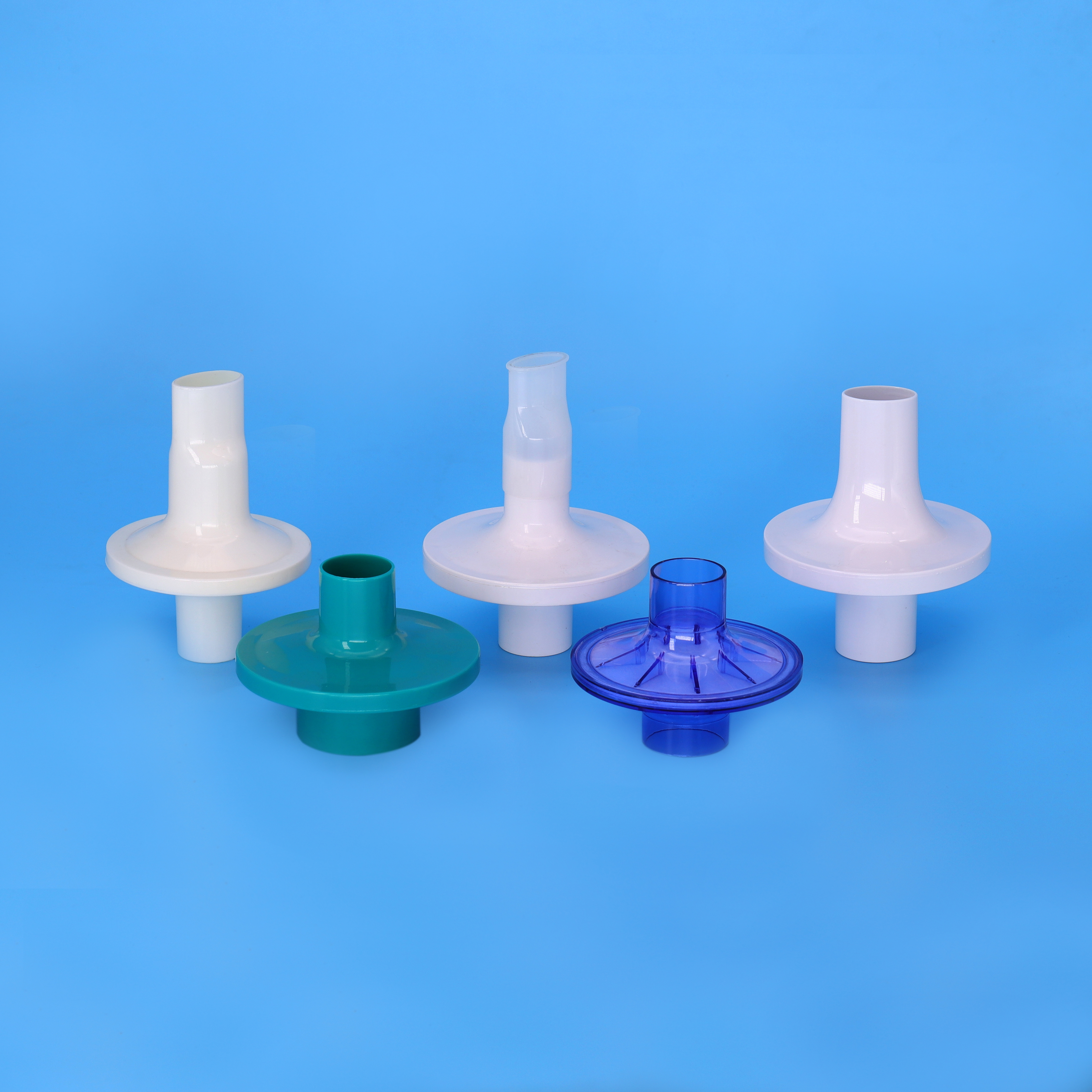
Spirometry filters use advanced filtration technologies to trap airborne particles and prevent contamination. Let's look at the main types of filtration media commonly used:
HEPA Filters (High-Efficiency Particulate Air)
HEPA filters can capture at least 99.97% of particles that are 0.3 microns in diameter. Although HEPA is primarily used in air purifiers and ventilation systems, the same principles have been adapted to develop extremely efficient spirometry filters. These filters provide the highest protection level, ensuring nearly all bacteria and viruses are removed from exhaled air before it reaches the device or environment.
Electrostatic Filters
Electrostatic filters utilize fibers with static electric charges that attract and hold particles such as bacteria and viruses. These filters provide excellent filtration efficiency while maintaining very low airflow resistance. Low resistance is critical because it allows the patient’s breath to flow easily through the filter without affecting the accuracy of the spirometry measurement, which is highly sensitive to airflow changes.
Pleated Filter Media
Pleated filters increase the surface area of the filter material, improving particle capture capacity and longevity. These are often used in high-volume testing centers where filters need to maintain performance over longer periods without clogging.
The challenge in spirometry filter design is to combine maximum filtration efficiency with minimal airflow resistance and low dead space (the volume of air trapped within the filter). This balance ensures patient comfort and test accuracy while maintaining optimal infection control.
The Importance of 99.99% Bacterial and Viral Filtration
The effectiveness of a spirometry filter is often measured by its Bacterial Filtration Efficiency (BFE) and Viral Filtration Efficiency (VFE). A high-performance filter must achieve at least 99.99% efficiency in trapping bacteria and viruses to significantly reduce the risk of pathogen transmission.
Why such high efficiency?
Even tiny numbers of infectious agents bypassing the filter can contaminate the spirometer or room surfaces.
High-risk populations—such as the elderly, immunocompromised patients, and those with chronic respiratory illnesses—are more vulnerable to respiratory infections.
Healthcare workers performing tests on multiple patients are at increased risk of exposure without effective filtration.
Maintaining a sterile test environment minimizes the need for time-consuming and costly device disinfection between tests.
Regulatory authorities such as the Centers for Disease Control and Prevention (CDC), the European Respiratory Society, and other global health organizations now strongly recommend or require the use of high-efficiency filters in pulmonary function testing, especially in the wake of the COVID-19 pandemic.
Case Studies: Elderly Care Homes and Outpatient Clinics
Elderly Care Homes
Long-term care facilities are particularly vulnerable to respiratory disease outbreaks due to the age and health status of their residents. Regular lung function testing is essential for monitoring these patients, but it must be done safely.
A prominent nursing home in Italy integrated ZhenFu's high-efficiency spirometry filters into their respiratory diagnostics. Over a 12-month period, the facility recorded zero cross-infections traced back to spirometry testing. This remarkable success highlighted the effectiveness of combining rigorous infection control with reliable diagnostic tools.
Outpatient Respiratory Clinics
Urban outpatient clinics often have heavy patient traffic, especially during respiratory virus seasons. Prior to adopting disposable spirometry filters, one Beijing-based respiratory center experienced frequent equipment contamination, leading to repeated test delays and increased technician sick leave during flu outbreaks.
After switching to ZhenFu’s disposable electrostatic filters, the clinic reduced cleaning times by 70% and significantly improved operational efficiency. Patient and staff safety improved, while the accuracy and reliability of lung function tests remained uncompromised.
These real-world examples demonstrate that using high-quality spirometry filters benefits patient safety, workflow efficiency, and overall healthcare quality.
How ZhenFu Designs Filters With Infection Control at the Core
ZhenFu Group is committed to delivering spirometry filters that meet the highest standards of infection control without sacrificing comfort or accuracy.
Rigorous Testing and Certification
Every filter is tested extensively for BFE and VFE, airflow resistance, and durability to meet or exceed international standards such as ISO 26782, CE, and FDA requirements. This ensures that filters consistently perform at peak efficiency.
Low Resistance and Low Dead Space
To avoid altering test results, ZhenFu’s filters are designed with ultra-low airflow resistance and minimal dead space. This is particularly important for pediatric and geriatric patients, whose respiratory parameters are more sensitive to testing conditions.
Universal Compatibility and Customization
ZhenFu designs filters with standardized connectors that fit a wide range of spirometry devices globally. The company also offers OEM and ODM services, enabling medical device manufacturers and hospitals to customize filters to their specific needs.
Antimicrobial Features and Eco-conscious Design
Some models incorporate antimicrobial additives to further inhibit microbial growth. ZhenFu also emphasizes sustainability by using biodegradable materials and minimizing packaging waste where possible, aligning with growing environmental concerns in healthcare.
Conclusion: Every Breath Deserves Protection
Pulmonary function testing remains vital in respiratory healthcare, but safety cannot be overlooked in today's world of airborne infections. Spirometry filters serve as a critical defense against pathogen transmission, protecting patients, healthcare workers, and communities.
Choosing high-quality spirometry filters—like those developed by ZhenFu Group—ensures infection control, accurate diagnostics, and operational efficiency. With rigorous testing, innovative design, and a commitment to safety and sustainability, these filters are indispensable tools in the fight against respiratory infections.
Every breath taken during pulmonary testing deserves to be protected by the best possible filtration technology, and ZhenFu Group proudly supports this mission worldwide.