-

Do You Use Humidifier in Winter Or Summer
Views: 0 Author: Site Editor Publish Time: 2025-05-26 Origin: Site


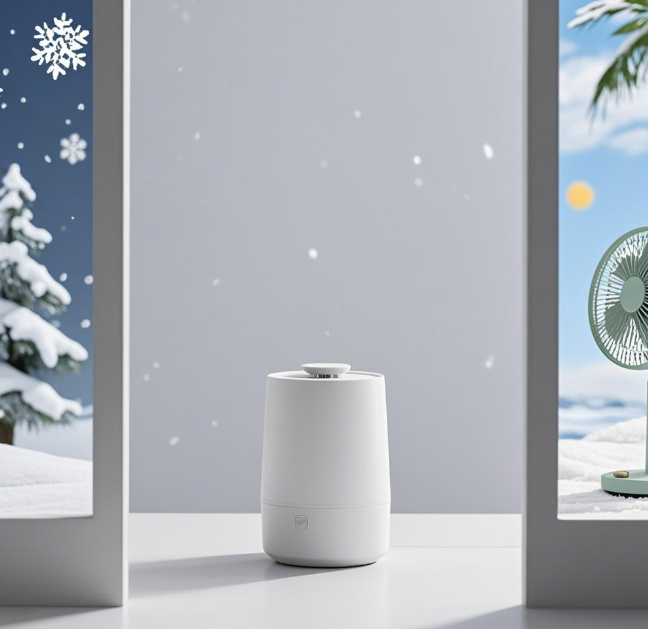
Cold winters and hot summers both change indoor air. So, when should you actually use humidifiers? Many use them for better sleep, comfort, and energy savings. But do you use humidifier to use in the summer, or just winter?
In this post, you’ll learn how seasons affect indoor air—and the right time to use a humidifier.
Understanding When and Why You Need a Humidifier
How Humidifiers Work and What They Do
Humidifiers are devices that add moisture to dry indoor air. They release mist or steam into the room.
This helps improve comfort when air feels too dry. It can soothe dry skin, reduce throat irritation, and ease breathing.
Some people use a humidifier for snoring, especially during dry winter nights. Others rely on it to stop static shocks—yes, a humidifier for static really helps.
Humidifiers come in different types—ultrasonic, evaporative, steam, and central systems. Some even sit on stoves like a humidifier on wood stove, making them useful without electricity.
They’re also popular in all seasons, including as a humidifier to use in the summer, especially in dry, air-conditioned spaces.
Ideal Humidity Range and Why It Matters
Indoor humidity is measured as relative humidity, or RH. It’s the amount of water vapor in the air compared to how much the air can hold.
The ideal range for indoor RH is between 30% and 50%.
If RH drops below 30%, the air feels dry. It can cause nosebleeds, itchy eyes, cracked lips, and dry wood furniture.
If it goes above 50%, the air feels damp. That’s when problems start. Can a humidifier cause mold? Yes—if used too much.
Too much moisture near windows or corners may lead to mold growth. So yes, will a humidifier cause mold? It absolutely can, without proper care.
Here’s a quick look at what happens at different RH levels:
RH Level
What You Might Notice
Below 30%
Dry skin, static, coughing
30%–50%
Comfortable, healthy air
Above 50%
Damp walls, mold risk, condensation
Keeping RH in the right range helps your humidifiers work better—and keeps your home and health in check.
Using Humidifiers in Winter: Benefits and Cautions
Why Winter Air Needs Moisture
Winter air is cold—and cold air holds less moisture.
Once that dry air is heated inside your home, it becomes even drier.This leads to uncomfortable symptoms like itchy skin and cracked lips.
It also affects your home—dry air can damage wooden furniture and cause floor gaps.That’s why humidifiers are especially useful in winter. They help add back what the air lacks.
Benefits of Winter Humidifier Use
When indoor air is too dry, humidifiers help restore balance. You’ll notice smoother skin, less coughing, and fewer nosebleeds.Dry air often makes people snore. A humidifier for snoring can ease that by keeping your nasal passages moist.
You may also feel fewer static shocks. That’s where a humidifier for static makes a real difference.
Using a humidifier in winter also supports better sleep, protects wooden floors, and keeps houseplants healthy.
Winter Humidifier Tips
Place your humidifier somewhere safe and open. Some use a humidifier on wood stove to warm and moisten the air at once.
Avoid placing it directly next to electronics or tightly closed windows. Also, watch for condensation. If you see wet windows, turn it down—humidifier and mold risks rise when RH goes too high.
For best performance, always use the best water for humidifier types. Tap water can leave mineral buildup inside the machine.
So, should you use distilled water in a humidifier in winter? Yes—especially in hard water areas.
It helps prevent scale, clogs, and keeps your mist clean.If you're asking why is my humidifier not working, poor water quality could be the cause. Check the filter, clean the tank, and refill with distilled or filtered water.
Should You Use a Humidifier in the Summer?
When Summer Air Feels Dry
Many people think humidifiers are only for winter—but that’s not always true.
Air conditioners cool your home but remove moisture as they work.So even in summer, your indoor air might feel dry.
This is common in dry regions or high-altitude cities.If your eyes burn, throat feels scratchy, or skin is tight, the air may be too dry. That’s when a humidifier to use in the summer might help.
When Not to Use a Humidifier in Summer
Summer isn’t always the right time to run your humidifiers.
In many places, summer brings high humidity.If your home already feels damp, adding more moisture can cause problems.
Can a humidifier cause mold during summer? Yes—especially if RH goes over 60%. Will a humidifier cause mold in sealed spaces without airflow? Very likely.
Moisture builds up fast around windows, behind furniture, or in closets.Use caution if your home is poorly ventilated or tightly sealed. Always check humidity levels before turning on your unit.
Using a Humidifier to Use in the Summer Safely
If you're using a humidifier to use in the summer, aim to keep RH under 50%.
That level adds comfort without risking moisture damage.Place your unit in a central location with good airflow.
Avoid running it nonstop—set a timer or use a built-in humidistat.Check for signs of condensation. Look at windows, wall corners, or ceiling vents.
If you see fog or wet spots, turn the setting down.Also remember to clean it often. Warm summer temps can grow humidifier pink if water sits too long.
Want better results? Use the best water for humidifier care—distilled is often safer.
That keeps mist clean and avoids buildup inside the machine.If RH won’t go up, or mist stops, ask: why is my humidifier not working?
Mold Risks and Common Issues to Watch Out For
Can a Humidifier Cause Mold?
It’s a common concern—and the answer is yes.
Can a humidifier cause mold? Definitely, especially if you ignore your RH levels. Once indoor humidity rises past 60%, moisture starts collecting on cold surfaces.
That moisture becomes a breeding ground for mold and mildew.Even the best humidifiers can cause issues if left on too long or used in the wrong space.
Will a Humidifier Cause Mold in Summer or Winter?
Mold can form in any season, but the risk depends on conditions.
Will a humidifier cause mold more in summer? Yes, because warm, humid air speeds up mold growth.
In summer, many people use a humidifier to use in the summer with air conditioning.
If RH is not controlled, excess moisture lingers in walls, carpets, and ceilings.Winter has different risks. Cold windows and poorly insulated rooms create surfaces for condensation.
Use a humidifier on wood stove or near heat? Monitor moisture carefully.
Mold also grows in tight, poorly ventilated areas—closets, corners, and behind furniture.
Other Issues: Pink Mold and Machine Problems
Sometimes mold isn’t green or black—it’s pink.
Humidifier pink is usually a sign of bacteria, not true mold.
It shows up as slimy, pink film inside the tank or on surfaces.
This can form when water sits too long, especially in summer.To avoid humidifier and mold issues, clean the unit often.
Wipe it daily, rinse the tank, and scrub weekly with vinegar or a mild disinfectant.Use the best water for humidifier care—distilled water leaves fewer minerals behind.
It also reduces buildup and extends filter life.If your unit stops working or puts out no mist, check for clogs or mold.
You may end up asking, why is my humidifier not working?
Regular maintenance prevents that. It also protects your air and your health year-round.
Getting the Most Out of Your Humidifier Year-Round
How Long Does It Take for a Humidifier to Work?
Many ask, how long does it take for a humidifier to work?
It depends on the room size, current RH, and the type of unit.A small room with dry air might improve in 2–4 hours.
Larger rooms or whole-house areas may take 12–24 hours.People also search for:
● how long does a humidifier take to work
● how long does humidifier take to work
They’re all asking the same thing—and the answer is: it varies.
Humidifiers offer relief from dry skin, sore throats, and sinus trouble.
They’re also great for plant health and even comfort for pets.Some use a humidifier for snoring, especially in the winter.
Others use them to boost air moisture around delicate houseplants.Here's a quick guide:
Room Size
Time to Notice Effect
Small (under 200 sq ft)
2–4 hours
Medium (200–500 sq ft)
6–12 hours
Large (over 500 sq ft)
12–24 hours
Choosing the Right Humidifier for the Season
Different seasons call for different humidifier features. A humidifier to use in the summer should have built-in RH sensors. This prevents over-humidification and lowers humidifier and mold risk. Winter units should warm the air or work safely near heat. Some people prefer a humidifier on wood stove—it uses heat passively.
You can choose between:
● Portable humidifiers for single rooms
● Whole-home systems for balanced, automatic control
Portable units are easier to clean and move.
But they may not be strong enough for large spaces or consistent air control.Look for these features:
● Auto shut-off
● Humidity level display
● Easy-to-clean tanks
● Compatibility with distilled water
● Filtered mist output
Don’t forget maintenance.
If the unit slows down, check for clogs or buildup. You don’t want to wonder later, why is my humidifier not working?
Use the best water for humidifier performance—especially in areas with hard tap water. This keeps your system clean and your air healthy.
Conclusion
Use humidifiers in winter or summer only when the air feels dry. Check indoor RH levels regularly and avoid excessive moisture. Clean your unit often and watch for mold or poor airflow. Proper settings help protect both your health and home.
Test your indoor humidity today and adjust settings based on the season and room comfort. Don’t let dry or damp air affect your well-being.
For trusted solutions, turn to Zhenfu Group — a global leader in innovative air care technologies since 2005. With expertise in R&D, production, and customized service, we deliver reliable, high-quality products that support healthy, comfortable living spaces.