-

Can You Use Purified Water in A Humidifier
Views: 0 Author: Site Editor Publish Time: 2025-05-22 Origin: Site


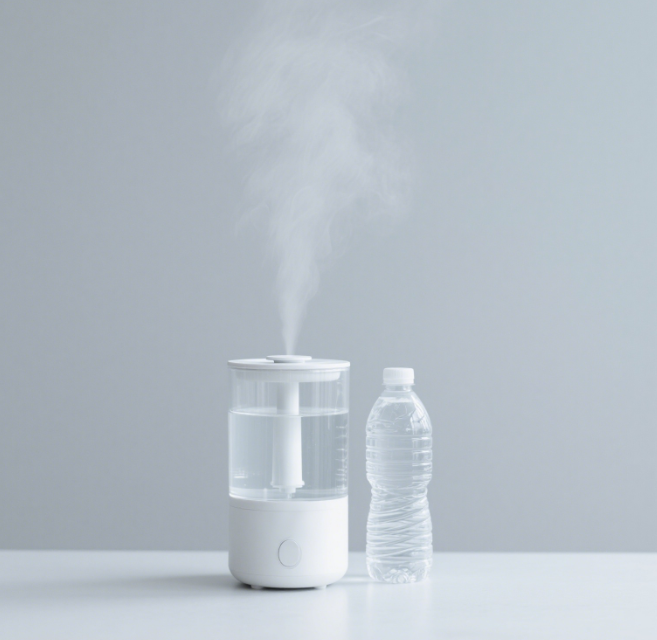
Humidifiers are everywhere—from bedrooms to offices—but what kind of water should you use? Can you use purified water in a humidifier, or is distilled better?
In this post, you’ll learn the safest options, what to avoid, and how to prevent mold or damage.
Why Water Type Matters in Humidifiers
How Humidifiers Work and React to Water Quality
Not all humidifiers work the same, and the type of water you use affects every one of them.
There are ultrasonic, evaporative, warm-mist, and filter free humidifier models. Each turns water into mist differently.
Ultrasonic types vibrate water into a fine mist. Evaporative units use a fan and wick filter. Warm-mist models boil water to release steam. Filter-free designs skip the filter—but that means they’re more sensitive to water quality.
So, can you use purified water in a humidifier like these? That depends on the risk level you’re willing to accept.
If your water contains minerals or impurities, the humidifier may push them into the air. This leads to buildup and mist that’s not exactly clean.
Risks of Using Improper Water
Tap water might look fine—but it carries hidden minerals. When used in humidifiers, those minerals cause white powdery residue. That’s called white dust.
You’ll find it on tables, windows, and even inside your lungs if you inhale it too long.
People with allergies, asthma, or babies at home are especially vulnerable.Minerals don’t just float in the air. They also build up inside the humidifier. Over time, this causes scale. It clogs the nozzle or sensor and may even break the device.
That’s why many people ask, why is my humidifier not working? The answer often involves hard water.
The wrong water can also raise health risks. Bacteria or mold can grow inside tanks. Once released as mist, that turns into a serious concern.
If you’re not careful, can a humidifier cause mold? Yes—and poor water choices make it worse.
To avoid these problems, using the best water for humidifier care—like purified or distilled—makes a major difference.
Can You Use Purified Water in a Humidifier?
What Is Purified Water?
Purified water is water that’s been filtered to remove most chemicals and impurities.
It goes through steps like carbon filtration, deionization, or reverse osmosis.
Compared to tap water, purified water has fewer minerals and no chlorine.
That means fewer particles in the mist your humidifiers release into the air.
It’s not the same as distilled water. Distilled removes almost everything, including bacteria and heavy metals.
But purified water still ranks high when considering the best water for humidifier performance.
Here’s how they compare:
Water Type
Mineral Content
Cleanliness
Safe for Humidifiers
Tap Water
High
Low
❌
Boiled Water in Humidifier
Medium
Medium
❌
Purified Water
Low
High
✅
Distilled Water
Very Low
Very High
✅✅
Benefits of a Purified Water Humidifier Setup
So, can you use purified water in a humidifier? Yes—and it has real benefits.
First, it helps your machine work better. Purified water means less scale and fewer clogs inside the tank and mist outlet.
This lowers the chance you’ll need to ask, why is my humidifier not working?
It also creates cleaner mist. Fewer minerals = no white dust floating onto your furniture or floors.
People with allergies, asthma, or sensitive lungs benefit most. A purified water humidifier setup delivers safer moisture into your air.
It's also a smart choice for babies and young kids. They breathe easier when the mist is clean.
Even if you’re not using a distilled water humidifier, purified water still ranks just below it.
It’s easier to access than distilled and better than most filtered tap water.If you're using a filter free humidifier, water purity matters even more—because there's no filter to catch anything.
So, choosing purified water keeps your device clean and your indoor air safer.
Comparing Other Water Options for Humidifiers
Distilled Water Humidifier
Many manufacturers suggest using a distilled water humidifier. Why? Because distilled water is the purest option available.
It's made by boiling water into steam and condensing it back into liquid—leaving minerals and impurities behind.That means no white dust, no hard water scale, and lower bacteria risk.
If you're asking, should you use distilled water in a humidifier for best results? The answer is yes.
It’s ideal for ultrasonic and filter free humidifier models, which release water particles directly into the air.
Distilled water helps prevent clogging, sensor failure, and even the chance that your humidifiers stop working unexpectedly.
Demineralized Water Humidifier
A demineralized water humidifier uses water that’s been treated to remove most dissolved minerals like calcium and magnesium.
It’s similar to purified water but not always as thoroughly cleaned.Demineralization removes scale-forming ions, but it may not filter out bacteria or organic materials.
This water works better than tap but may not match the purity of distilled.Still, it helps reduce dust and extends humidifier life, especially in homes with hard water.
Let’s compare the three types:
Water Type
Minerals Removed
Bacteria Removed
Best Use Case
Distilled
✅✅
✅✅
Ideal for all humidifiers
Demineralized
✅
❌/Partial
Good for basic mist functions
Purified
✅
✅
Safe and accessible alternative
Boiled Water in Humidifier
Some people wonder if boiling tap water makes it safe for humidifiers.
After all, boiling kills germs—right?Yes, boiling removes bacteria and viruses. But it doesn’t remove minerals.
So if you're using boiled water in humidifier systems, you’re still left with calcium and magnesium.
These create the same white dust and scaling issues as regular tap water.Also, boiled water cools slowly. Using it too soon could damage the tank or heating element.
It's not the safest or most effective shortcut.While better than unfiltered tap, boiled water still isn’t the best water for humidifier performance.
You’re better off using purified, demineralized, or distilled water—especially for long-term care.So, can you use purified water in a humidifier instead of boiled water? Absolutely—and it’s the smarter choice.
Common Questions About Performance and Safety
Can a Humidifier Cause Mold?
Can a humidifier cause mold? Yes—especially when it’s used too often or cleaned too little.
When indoor humidity rises above 60%, moisture collects on walls, windows, or furniture.
That’s when humidifier and mold problems begin.
Look for signs like musty smells, black spots near vents, or condensation that doesn’t dry.
Mold thrives in corners, under rugs, or inside poorly cleaned water tanks.Using clean water helps, but over-humidifying any space increases risk.
Even purified water can’t fix mold if your RH stays too high for too long.
Why Is My Humidifier Not Working?
It’s a common frustration. Why is my humidifier not working? The issue often comes down to water.
Here’s what to check:
Problem
Possible Cause
No mist
Clogged nozzle or mineral scale
Weak mist
Sensor corrosion or low water level
Turns off quickly
Hard water buildup on float sensor
Bad smell
Mold or bacteria inside tank
Using the best water for humidifier systems—like distilled or purified water humidifier setups—can reduce these problems.
If you’re using boiled water in humidifier tanks, remember: it still contains minerals that cause scale.
Scale is especially common in filter free humidifier models where mist exits directly.
That’s why manufacturers often say: should you use distilled water in a humidifier? Yes—especially to avoid breakdowns.
How Long Does It Take for a Humidifier to Work?
How long does it take for a humidifier to work? That depends on the room and the model.
Smaller rooms respond faster. Larger spaces take time to reach ideal humidity.
Mist output, current RH, and water type all matter.
Purified or distilled water often improves performance by keeping sensors clean.Here’s a general guide:
Room Size
Time to Notice Moisture
Small (under 200 sq ft)
2–4 hours
Medium (200–500 sq ft)
6–12 hours
Large (over 500 sq ft)
12–24 hours
You’ll see people ask:
● How long does a humidifier take to work?
● How long does humidifier take to work?
They mean the same thing—and usually, the answer is: be patient.
Check your RH level regularly and let the machine do its job.
Best Practices for Using Water in Your Humidifier
Choosing the Best Water for Humidifier Care
Water type directly affects how well your humidifiers work. It also impacts how clean your indoor air stays.
So, can you use purified water in a humidifier safely? Yes—and it's one of the best options.
Here’s a quick water ranking:
Water Type
Quality Level
Recommended Use
Distilled
⭐⭐⭐⭐⭐
Best for all models
Purified
⭐⭐⭐⭐
Great for daily use
Demineralized
⭐⭐⭐
Good, but less accessible
Filtered
⭐⭐
Okay, better than tap
Tap
⭐
Not recommended
Distilled water humidifier setups are ideal. They prevent buildup, extend lifespan, and keep sensors clean.
Purified water humidifier use is a smart second choice—safe, affordable, and widely available.
If you live in a hard water area, water choice matters even more.
High mineral levels increase the risk of white dust, clogged parts, and performance failure.
They’re also a concern if you're using a filter free humidifier, which sprays water droplets directly.
Climate plays a role, too. In dry climates, you may use your unit more often—so clean water is critical.
Cleaning Tips to Avoid Mold and Damage
Even the best water for humidifier care won’t help if you never clean your unit.
Poor maintenance is the top reason can a humidifier cause mold becomes a real issue.
Use these tips:
● Daily: Empty and rinse the tank. Dry it fully before refilling.
● Weekly: Deep clean with vinegar or a manufacturer-approved cleaner.
● Monthly: Check for buildup, especially around the mist outlet and float valve.
Always dry parts completely after cleaning.
Standing water inside the tank or base creates a perfect space for bacteria and mold.For stubborn residue, scrub gently with a soft brush. Don’t use bleach unless the manual says it’s safe.
Avoid harsh chemicals—they can leave behind fumes or damage the unit.If mist output drops, or you’re wondering why is my humidifier not working, the problem might be scale.
That’s often caused by mineral-rich water or skipped cleanings.By using distilled or purified water humidifier routines and regular cleaning, you’ll extend your machine’s life and keep your air fresh.
Conclusion
Yes—you can use purified water in a humidifier safely and effectively. Distilled water is the top choice. But purified water is still a great alternative. Clean water helps your humidifiers last longer and keeps your air safer to breathe.
Test your water type today. Adjust how you use your humidifiers for better air and longer device life. Want cleaner mist and safer breathing? Trust Zhenfu Group for expert advice and reliable humidifier solutions.
Explore more at Zhenfu Group—your partner in home wellness and health tech.